Resolutions Medical Services Blog

Finding Quality Opiate Treatment Centers Near You

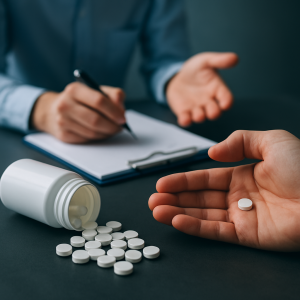
Opiate treatment centers vary significantly in their approaches and services, making it essential to understand the landscape before making a choice. The best options are those that offer a combination of medication-assisted treatment (MAT) and counseling, as this dual approach has shown to improve retention rates and overall recovery outcomes. Types of Treatment Approaches MAT, which includes medications like methadone and buprenorphine, is particularly effective for individuals with severe opiate use disorders. However, relying solely on medication without accompanying counseling can lead to higher relapse rates. Treatment centers that integrate behavioral therapies with MAT provide a more comprehensive approach, addressing both the physical and psychological aspects of addiction. Accreditations and Certifications When evaluating opiate treatment centers, look for those accredited by

Read More »

Complete Guide to Medications for Opiate Withdrawal

Understanding the pharmacological mechanisms underlying opiate withdrawal is crucial for effective treatment. Opiates, by binding to specific receptors in the brain, primarily mu-opioid receptors, produce analgesic and euphoric effects. When these substances are abruptly discontinued, the body reacts with a spectrum of withdrawal symptoms due to the sudden lack of receptor stimulation. Mechanisms of Opiate Action and Withdrawal Opiates facilitate the release of dopamine, which is linked to pleasure and reward pathways. During withdrawal, there is a rebound effect where neurotransmitter levels drop significantly, leading to dysphoria and other distressing symptoms. This physiological shift explains why individuals experience intense cravings and discomfort when trying to cease use. The best approach for managing withdrawal often involves medications that can mitigate these

Read More »

Top-Rated Opioid Treatment Facilities: Finding the Right Care

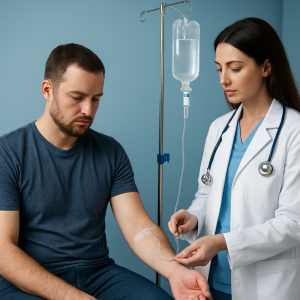
Evaluating Accreditation and Licensing of Opioid Treatment Facilities Imagine walking into an opioid treatment facility that claims to offer the best care, but it turns out they’re operating without proper accreditation. Scary, right? The reality is that more than 60% of treatment centers in the U.S. are not fully accredited, which raises a red flag for anyone seeking help. Accreditation isn’t just a fancy badge; it’s your assurance that the facility meets specific standards of care. Organizations like the Substance Abuse and Mental Health Services Administration (SAMHSA) and the Joint Commission set these benchmarks. When you’re evaluating opioid treatment facilities, you must ensure they have the right credentials to provide safe and effective care. Why Accreditation Matters Choosing an opioid

Read More »

Essential Medications for Managing Opiate Withdrawal Symptoms

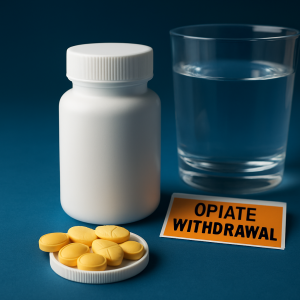
Pharmacological Options for Opiate Withdrawal Imagine waking up one day, and the very thing that once gave you comfort has turned into an enemy. That’s the reality for many facing opiate withdrawal. The symptoms can feel like a relentless storm, with anxiety, nausea, and muscle pain crashing down all at once. But here’s the good news: there are effective meds for opiate withdrawal that can help ease this transition. Medications That Make a Difference When it comes to managing withdrawal symptoms, certain medications shine brighter than others. Let’s break down some of the most commonly used options: How These Meds Work Methadone acts like a life raft in the turbulent sea of withdrawal. It binds to the same receptors in

Read More »

Breaking the Chains: Your Guide to Opioid Addiction Recovery

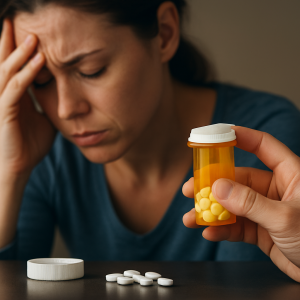
Understanding the Neurobiology of Opioid Addiction Opioid addiction is not just a matter of willpower; it’s a complex interplay of biology and behavior. When someone becomes addicted, their brain undergoes dramatic changes that make it incredibly challenging to break free. Consider this: about 80% of people who misuse opioids started with a prescription for pain relief. What began as a legitimate need can morph into an overwhelming dependency, reshaping the brain in ways that are both profound and alarming. The Brain’s Reward System At the heart of opioid addiction lies the brain’s reward system, primarily involving neurotransmitters like dopamine. When opioids enter the system, they bind to specific receptors in the brain, leading to an intense feeling of pleasure. This

Read More »

Comprehensive Opiate Treatment Centers: Personalized Recovery Plans

Understanding the Spectrum of Opiate Addiction Did you know that nearly 2 million Americans are currently battling an opiate use disorder? That’s more than the population of Houston, Texas! This staggering statistic highlights just how widespread the issue of opiate addiction has become, and it underscores the need for effective treatment options. Opiate addiction doesn’t fit into a neat little box; it’s more like a messy art project gone wrong. Each individual’s journey through addiction is unique, influenced by their personal history, mental health, and even social environment. For instance, take Sarah, a bright college student who started using prescription painkillers after a sports injury. What began as a way to manage pain spiraled into dependency that affected her grades,

Read More »